What is the future of intelligence?
Join me for a year of reading as I explore artificial, human, and more than human intelligence on planet Earth
Over the past four years I wrote two books in public: a mosaic climate fiction novel, and a companion volume of philosophical aphorisms. (They are both waiting to be published in print—more news soon.)
A huge part of my writing process is research. I exclusively read non-fiction books for my research as I love diving into the minds of experts and learning about topics that pick my interest. Allowing my curiosity to run free is what creates the rich soil on which my imagination feeds. When I published my debut novel, I received a fair share of criticism for my “stiff dialogue” and “confusing plot” but my “expansive worldbuilding”, “imaginative contemplation on the future of humanity amid a climate crisis”, and “grand scale and epic visionary ideas” were unanimously praised. This is all thanks to reading non-fiction books for my research that allowed me to soak in new ideas, connect dots across topics in unexpected ways, and fuel my imagination. As well as my thinking—my brain was brimming with ideas after I finished writing and editing my novel. This is how I ended up writing a collection of 90 philosophical aphorisms on the themes explored in my cli-fi writing.
In 2027, I will write my next novel (a project in the making since 2013), and I’m curious to explore something new:
What is the future of intelligence?
This is a topic that I touched in my aphoristic work with meditations on the future of brains here and here, the future of life, or embodied cognition. I believe intelligence is a function of our biology, of living an embodied existence. The native function of our intelligence is to enable us to navigate a living world in a living body. By reducing intelligence to mind and brain, we abstract ourselves from the very thing that gives us intelligence—the physical, natural, living world. Our disembodied techno-utopian dreams seek to cut the umbilical cord that tethers us to our biology and turn us into minds that exist in abstract virtual worlds. With such a vision of the future, it’s no wonder that we disregard all life on this planet.
But turning life into machine is not a future to which I aspire.
To build a better future we don’t need artificial superintelligence, we need the superintelligence of a living planet. Whatever technology we invent and use, should serve this planet and the diversity of life it supports, not replace it. It should open our eyes to the intelligence of a living world that we are too blind to see and appreciate. We separated ourselves from the rest of life on this planet thinking we are the superior intelligence. But with the advent of artificial intelligence and its promise of turning human intelligence into a commodity, we must reassess our understanding of what intelligence is.
And this is the purpose of this curriculum.
The curriculum
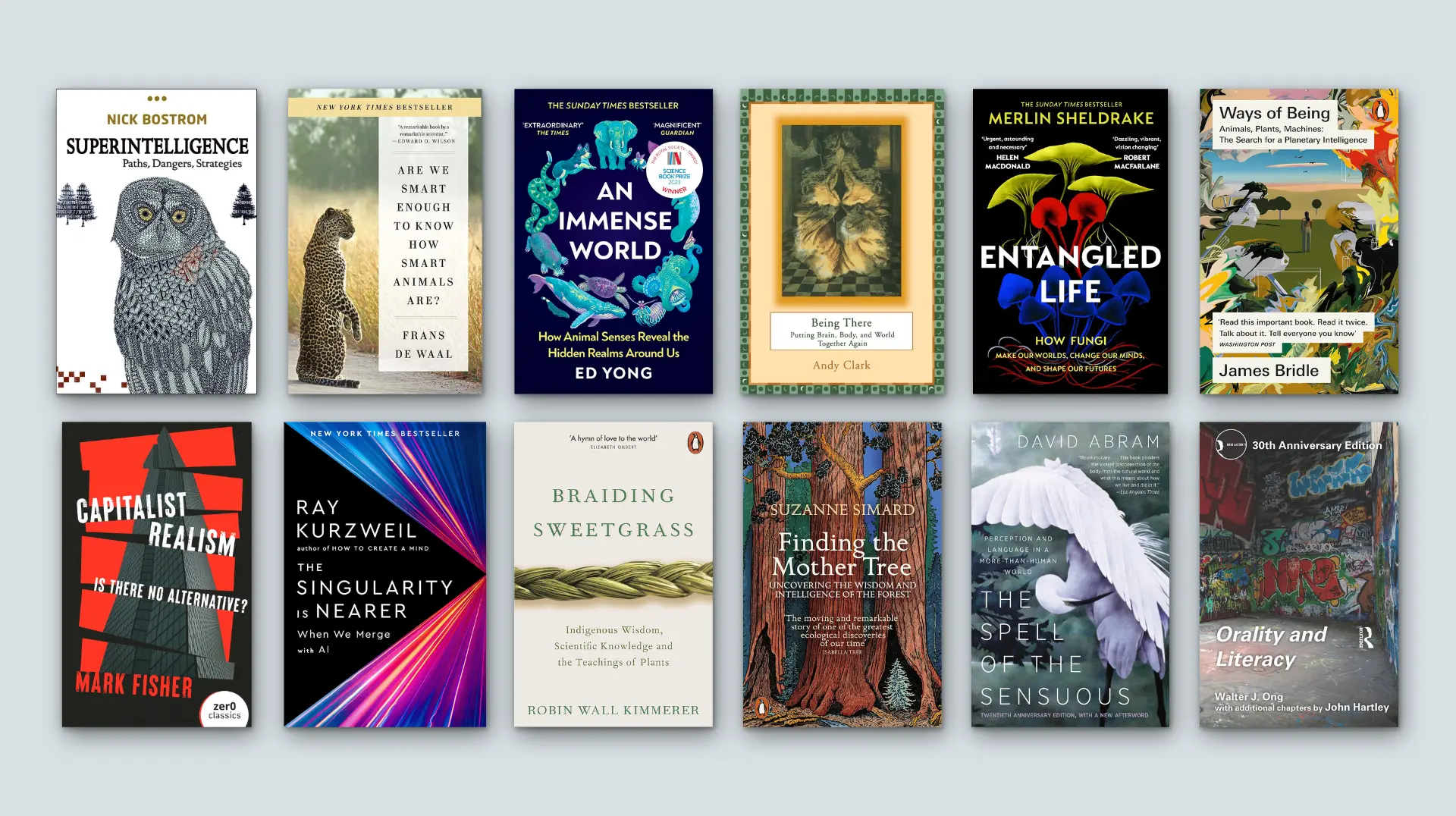
In 2027 I will read a collection of handpicked non-fiction books that, I believe, will help me redefine intelligence as embodied cognition that only living beings can posses. To verify my hypothesis, I selected 12 titles from a list of 39. These books cover a vast range of topics, from human and more-than-human-intelligence, to machine intelligence and superintelligence. I picked each book based on its themes and my curiosity. I am sure that there are many more books to read, but this is a good place to start.
How this will work
This is not a book club. I am reading as research for my novel-in-progress and you are warmly invited to join me.
- We start on January 1, 2027.
- We finish on December 31, 2027.
- We read 12 books in total—one per month.
- At the beginning of each month I will post a short note with the title of the book.
- At the end of each month I will post my reading notes and invite you to share your impressions in the comments.
- Paid subscribers get monthly notes on how each book informed the worldbuilding of my next novel.
There is no right way to do this. You can read all the books as listed, or you can pick a few titles and read them at your own pace. I will engage with comments throughout the year no matter when you read.
This being said, this list is packed with amazing books and ideas that I would love to discuss with as many of you as possible and I would be more than thrilled if you decided to pick up a book and join me.
And now the list.
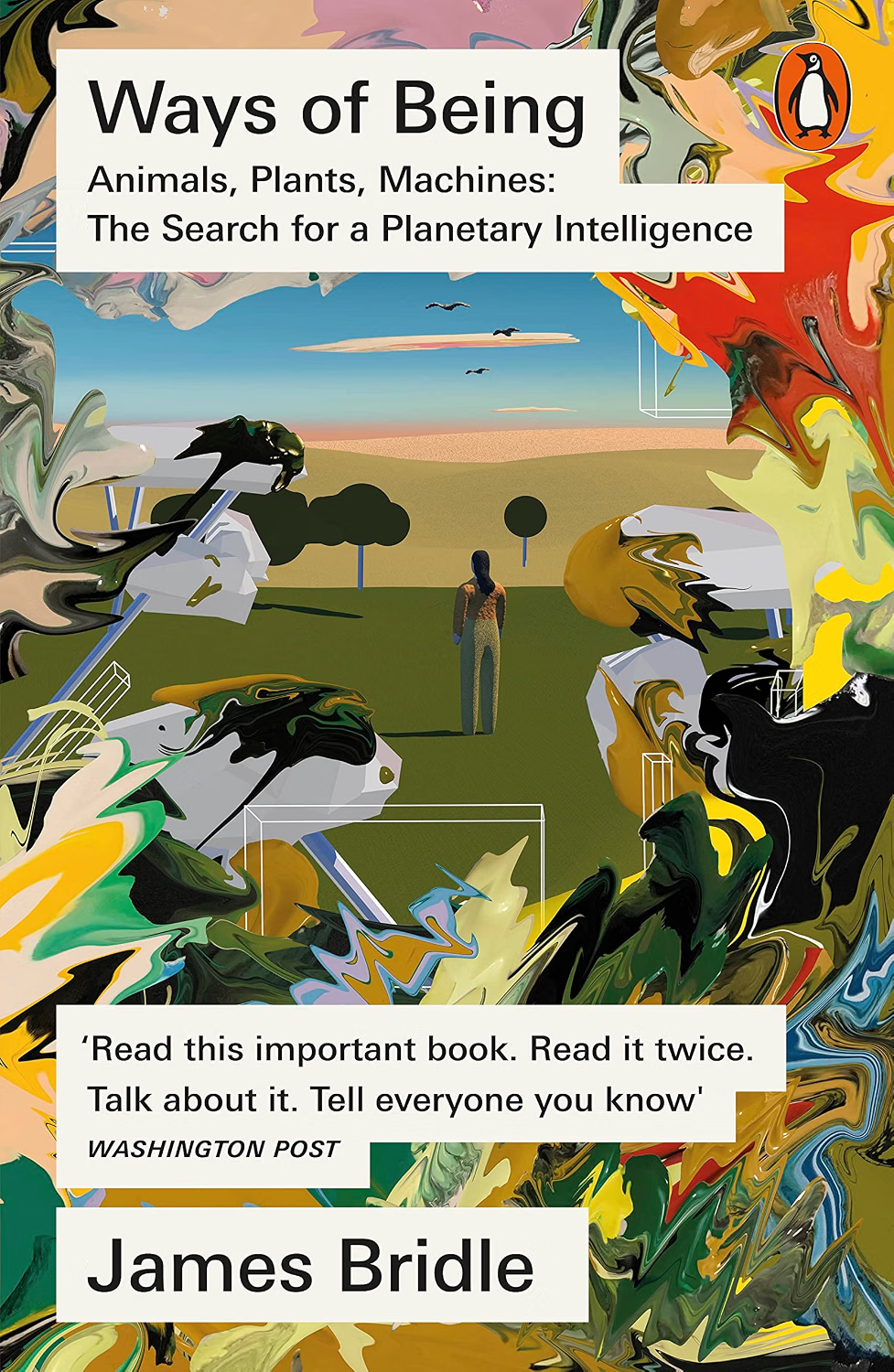
Ways of Being: Animals, Plants, Machines: The Search for a Planetary Intelligence
I read Ways of Being this summer and I can’t get it out of my head. I want to dive deeper into the book and study it on a second read. It is a fascinating exploration of more-than-human intelligence on planet Earth. It also includes examples of how we can use technology for good—hint: the internet of animals.
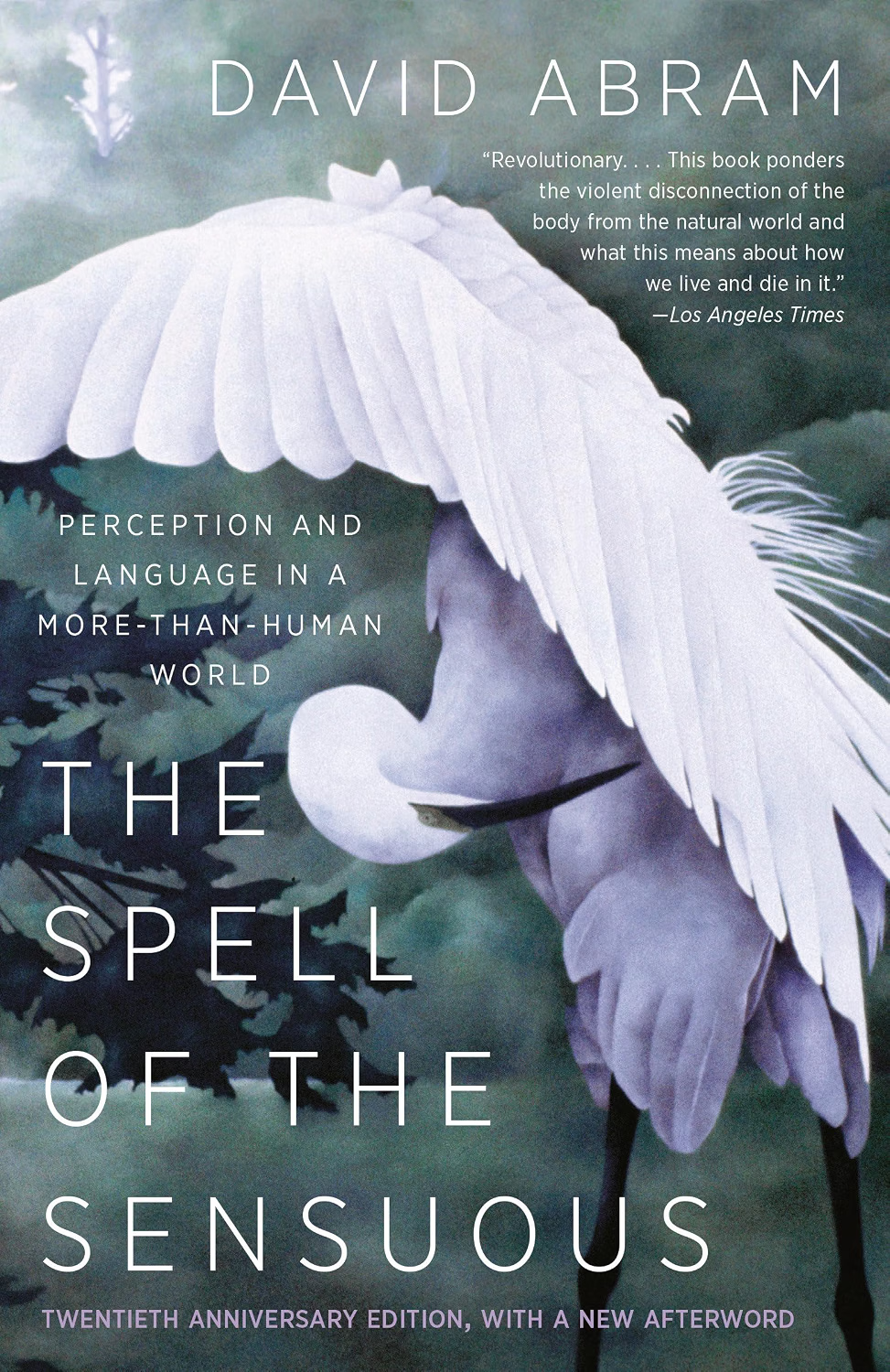
The Spell of the Sensuous: Perception and Language in a More-Than-Human World
We forgot how to be embodied beings. We forgot how to live on this planet and experience it with all our senses. And we are missing out on the experience of being alive. I think this book will open wide my appetite for analog life (and probably blow my mind). Can’t wait!
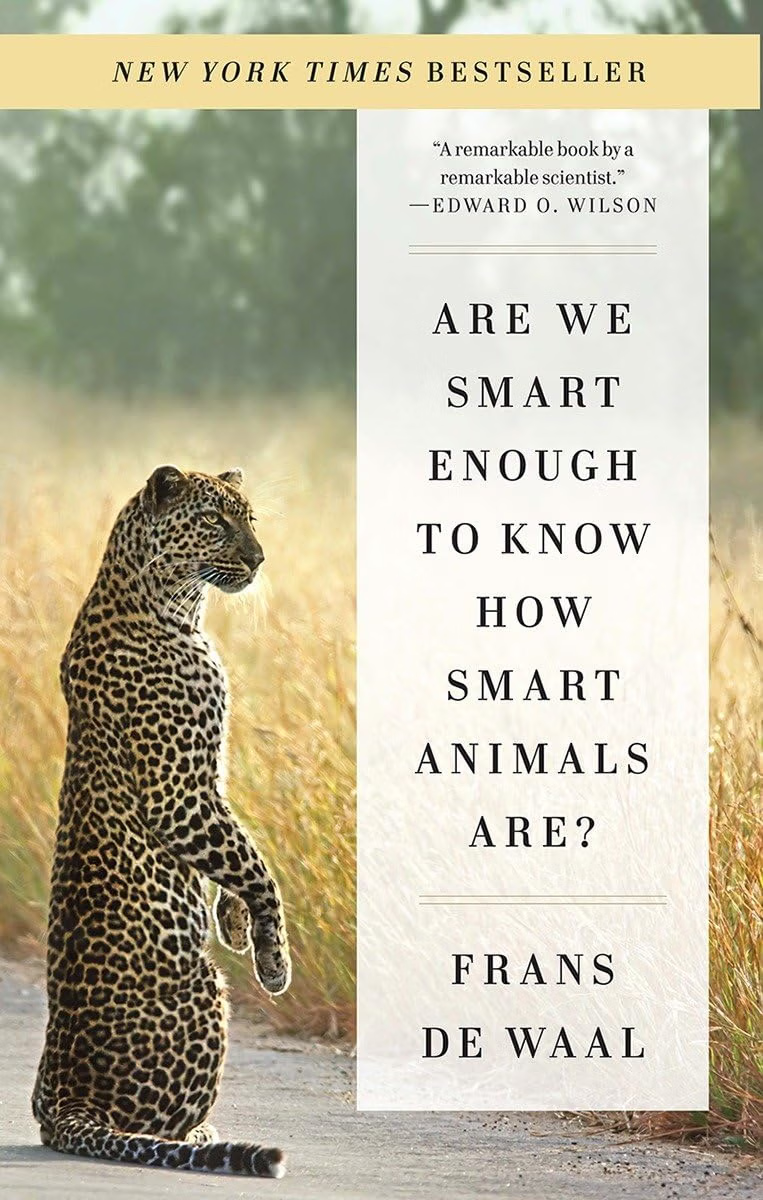
Are We Smart Enough to Know How Smart Animals Are?
Intelligence is a function of being alive in a body made by mother nature. And all beings on this planet are intelligent because they are in constant interaction with their surroundings. We have lost something on the way—the capacity to be attuned with and appreciate the physical world. I hope this book will give me a glimpse into other ways of being.
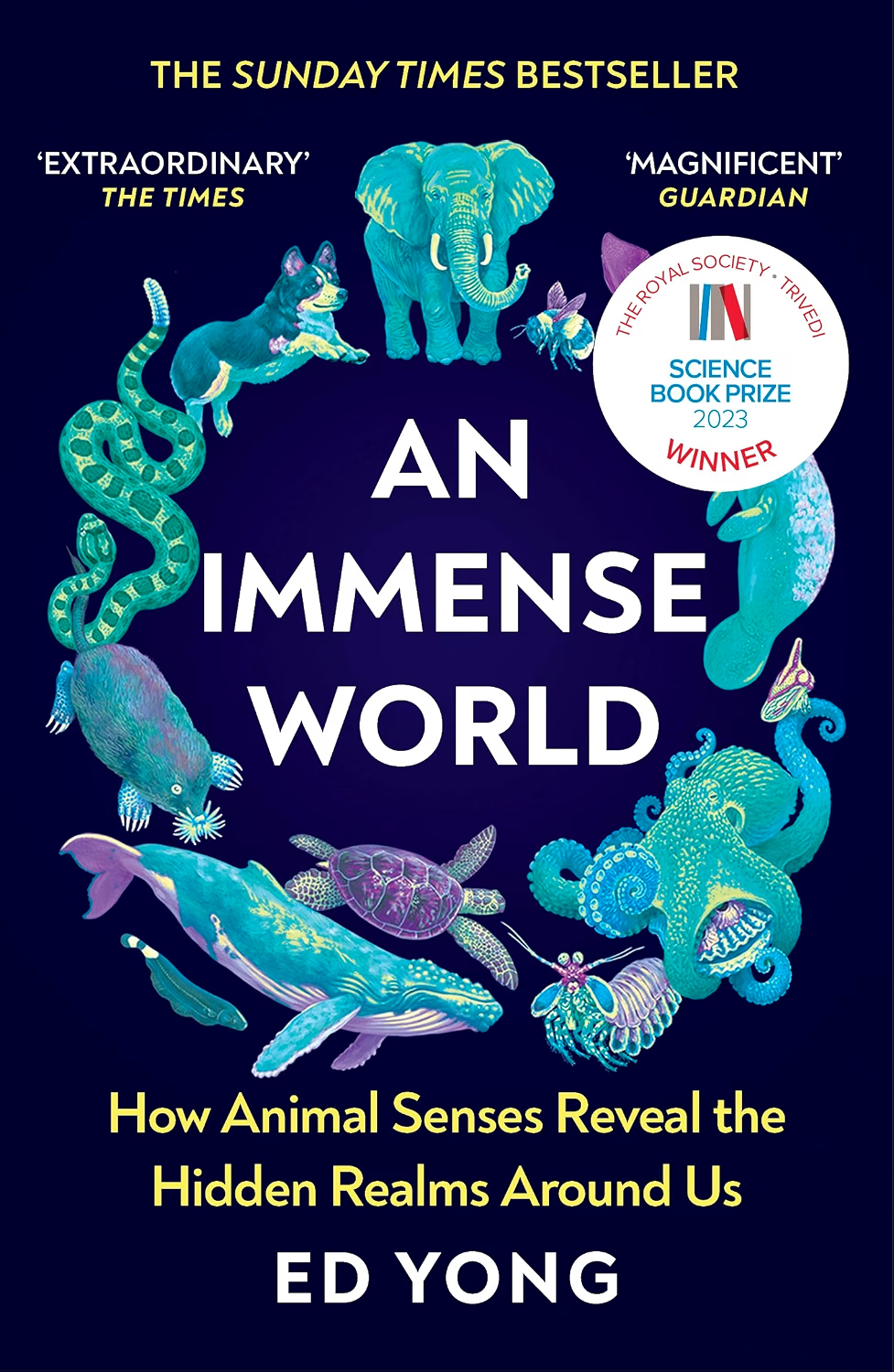
An Immense World: Discover how animals perceive the world and see nature as you never have before.
As human beings we have lost our enchantment with the natural world. We see this planet and other beings as something to extract and exploit. We see life as something disposable and dream of eternal life in a techno-utopian world or an afterlife that exists only in our imagination. I can’t wait to see the world through more-than-human eyes and be enchanted once again with the only paradise we will ever know—planet Earth.
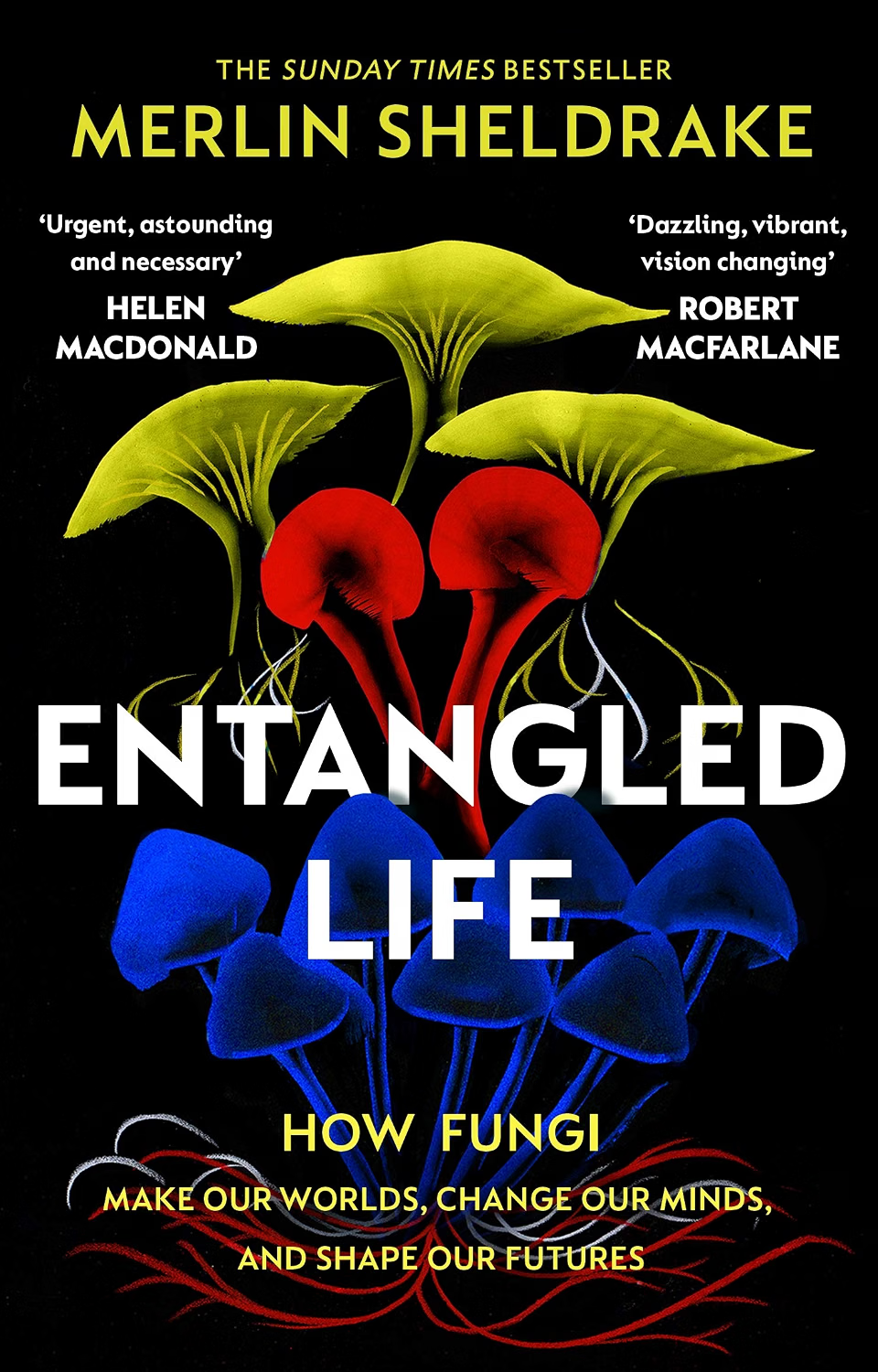
Entangled Life: How Fungi Make Our Worlds, Change Our Minds and Shape Our Futures
The fabric of life is more complex than anything the human mind can imagine. Also, life thrives on networks, communication, and interspecies collaboration. Fungi are probably the web that weaves our ecosystems together and every living being in it—can’t wait to learn more about the entangled life.
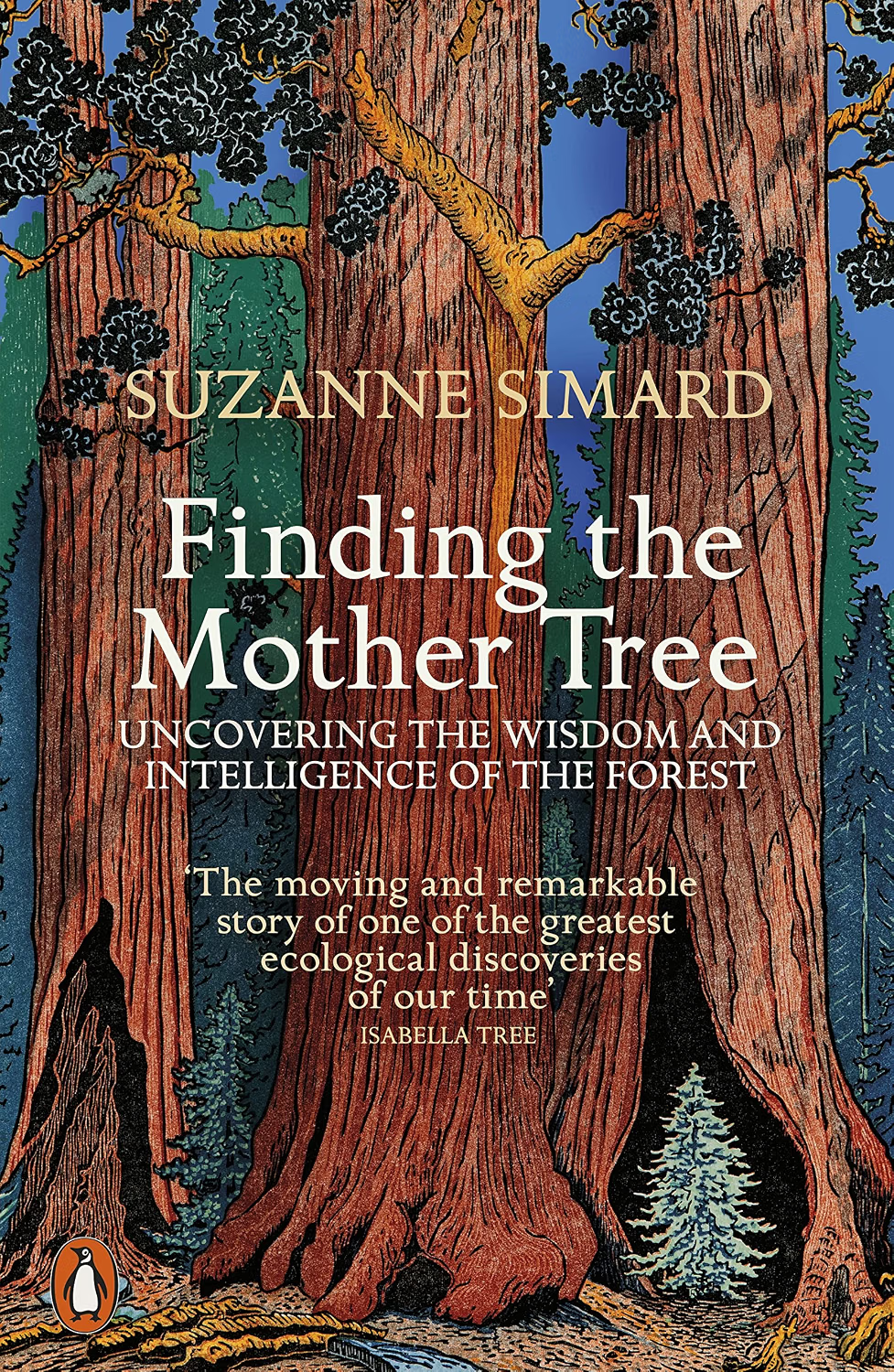
Finding the Mother Tree: Uncovering the Wisdom and Intelligence of the Forest
Ever since we started walking on the face of Earth, we humans shared a deep connection with trees—but we seem to have lost it in our modern times. After the last Ice Age our ancestors helped reforest the planet. Today, we erase ancient forests to build data centers. Books like this play an important role in educating us and hopefully moving us to regain our wisdom and rekindle our love for our leafy brothers and sisters. I’m so excited about reading this book!
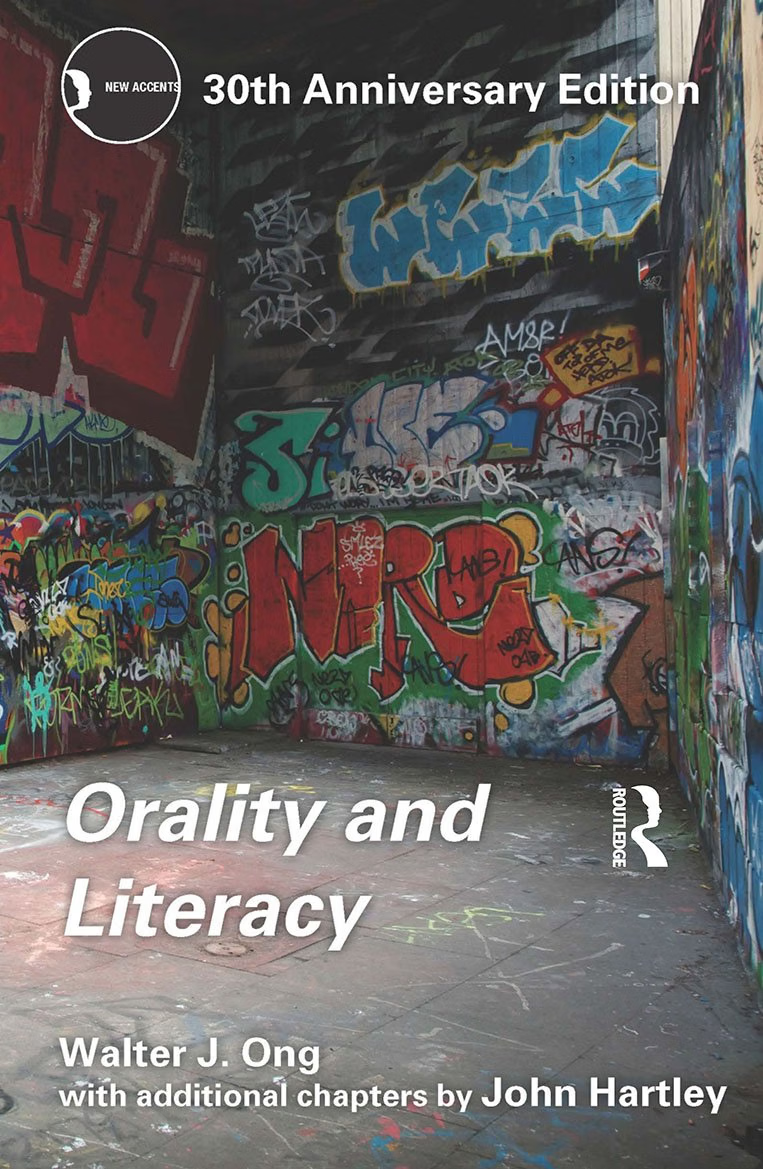
Orality and Literacy
This is apparently the best book on the transition from an oral to a written culture and what we lost on the way. This summer I read a few of Socrate’s dialogues and I was impressed with the capacity of these ancient philosophers to form, memorize, and express complex ideas orally. My intention with reading this book is to explore a side of humanity we have forgotten. I am curious about learning new ways of engaging my brain with language and the surrounding world.
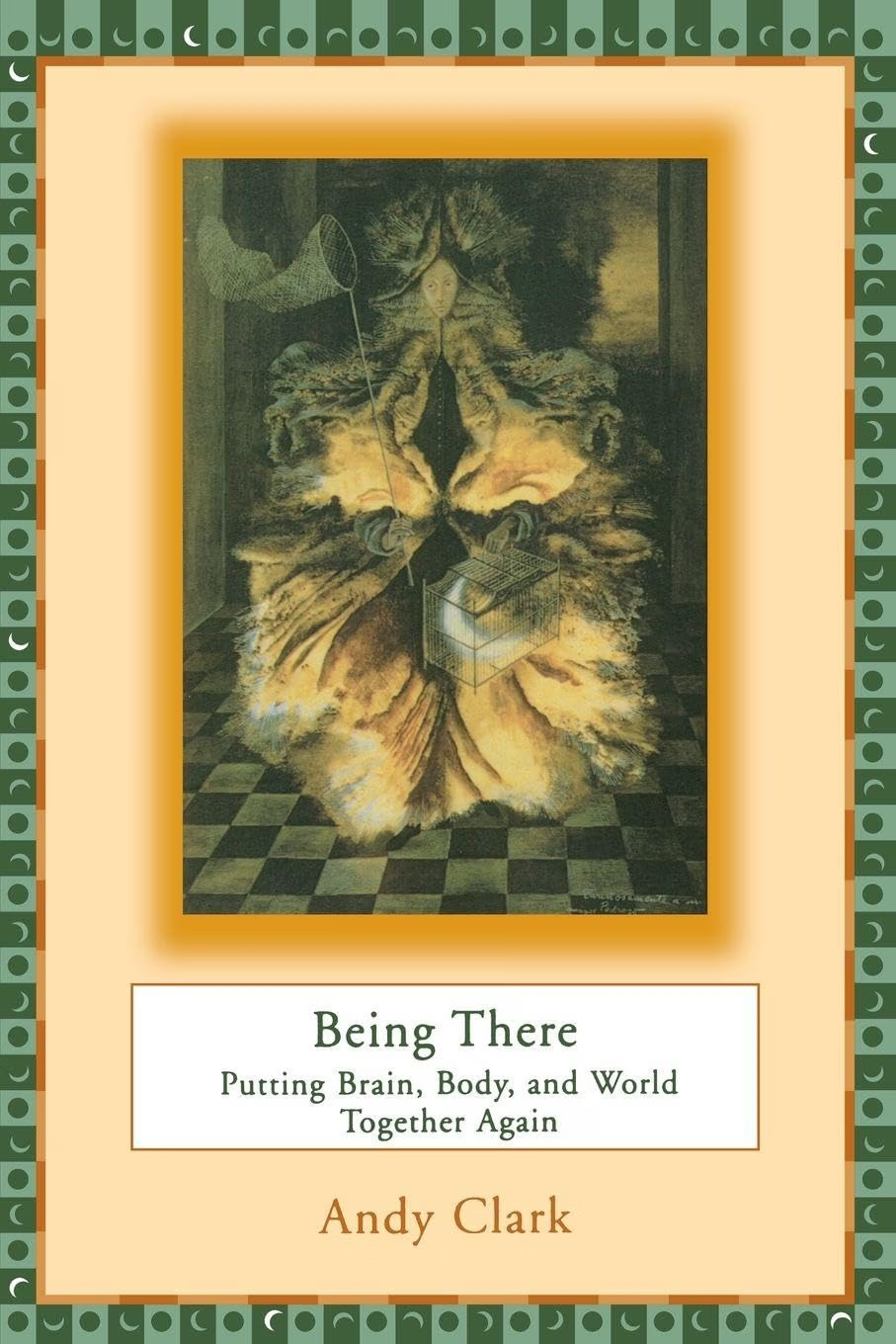
Being There: Putting Brain, Body, and World Together Again
This book seeks to “make sense of the emerging sciences of the embodied mind”. I’m a firm believer that intelligence is a function of being alive in a biological body. But I love reading ideas that challenge my beliefs or introduce me to the worldviews of others. I am not sure what to expect from this reading and it’s exciting.
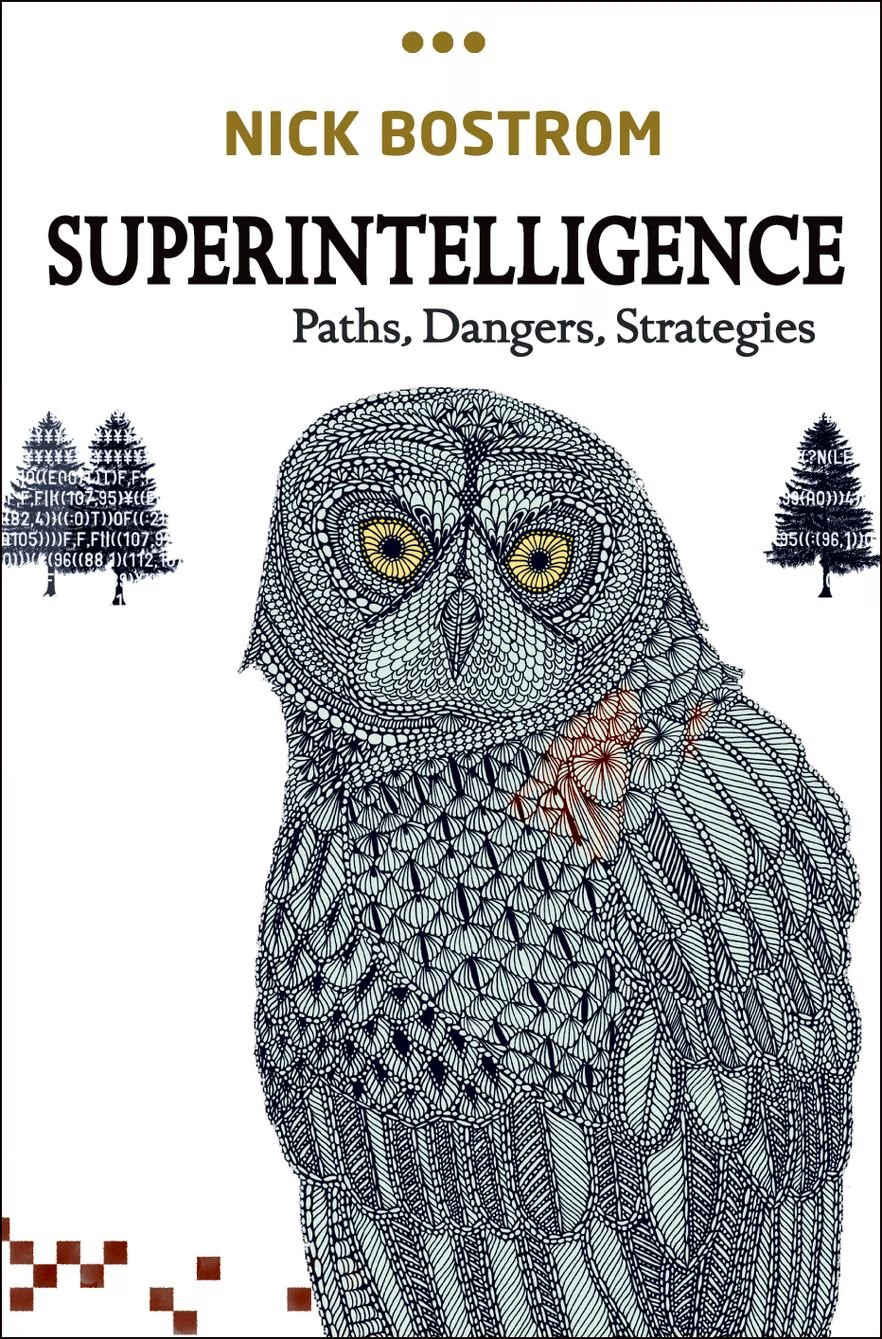
Superintelligence: Paths, Dangers, Strategies
I am familiar with the theories on superintelligence and how it will transform the universe. I find the idea of living disembodied existences in Dyson spheres orbiting the sun unappealing. I find the dream of going out in space and “turning matter into mind” reductionist. The techno-utopian dream was cool at the beginning of the twentieth century but in the twenty-first century it’s dated. This will be an emotional read and I expect to argue with the author in my head a lot. And also to learn a lot.
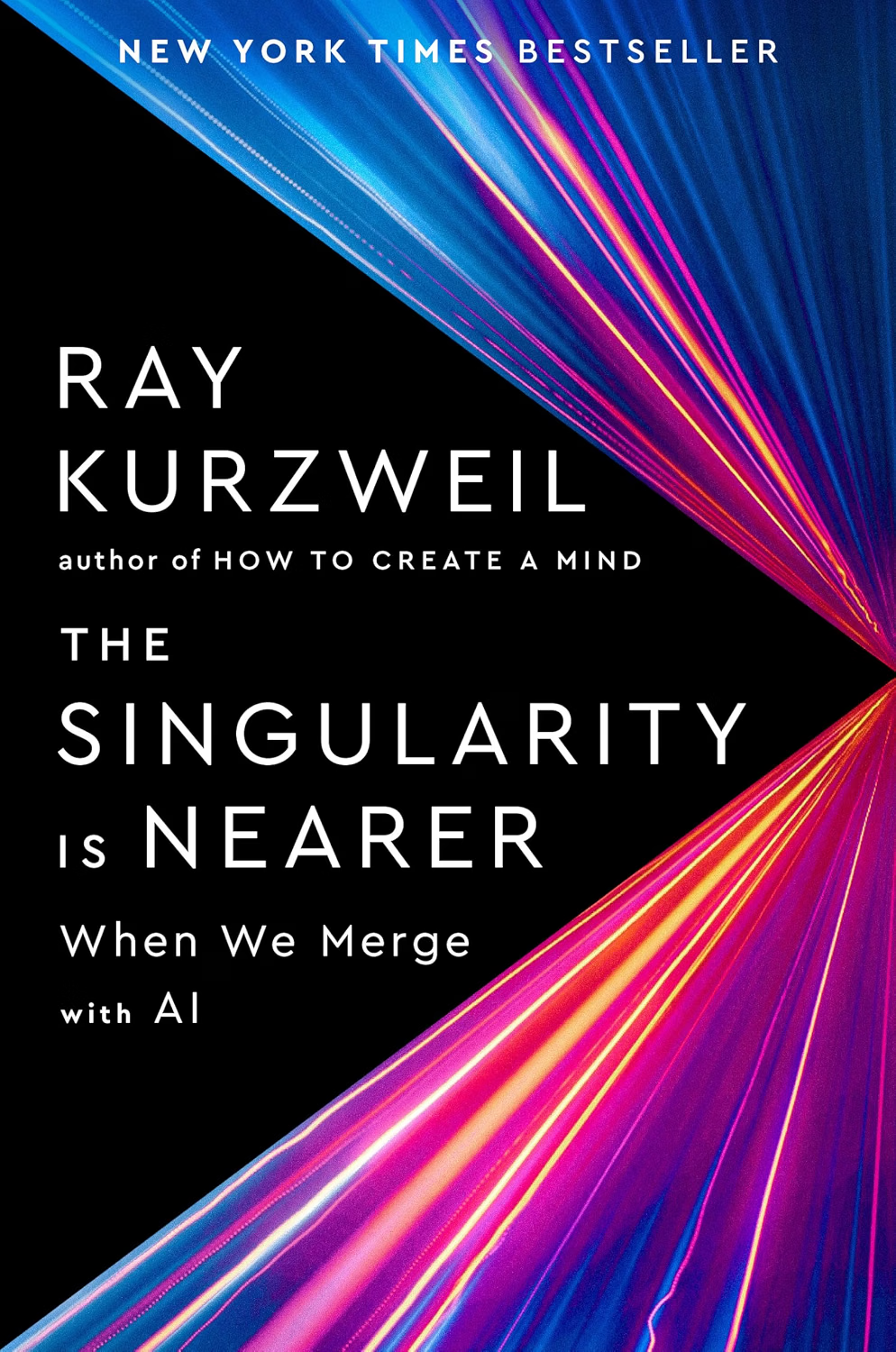
The Singularity Is Near: When We Merge with AI
Here’s a future I’m not looking forward to turning into reality anytime soon. These are the theories and visions that inform every Sillicon Valley AI tech bro who watched too many sci-fi movies. I bought this book last year and it has been high on my list for some time now. While I am very excited to read it and dive into the brilliant mind of its author, this will be another emotional read with lots of imaginary arguing in my head.
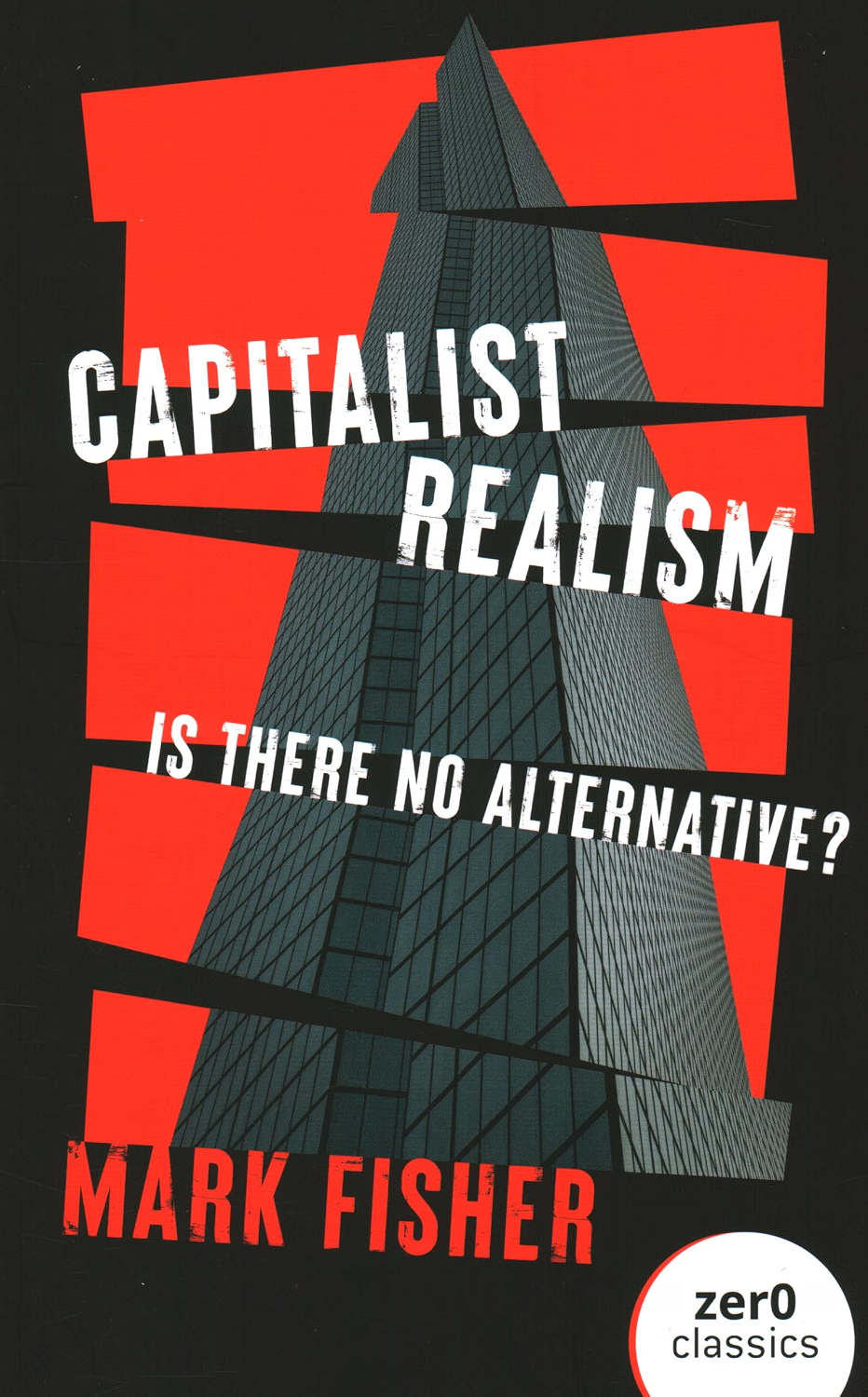
Capitalist Realism: Is There No Alternative?
I discovered Mark Fisher recently and listened to one of his lectures on YouTube. The world as we know it is a reflection of our mental bubbles. I am curious to learn how this mental bubble called capitalism could burst in our heads.
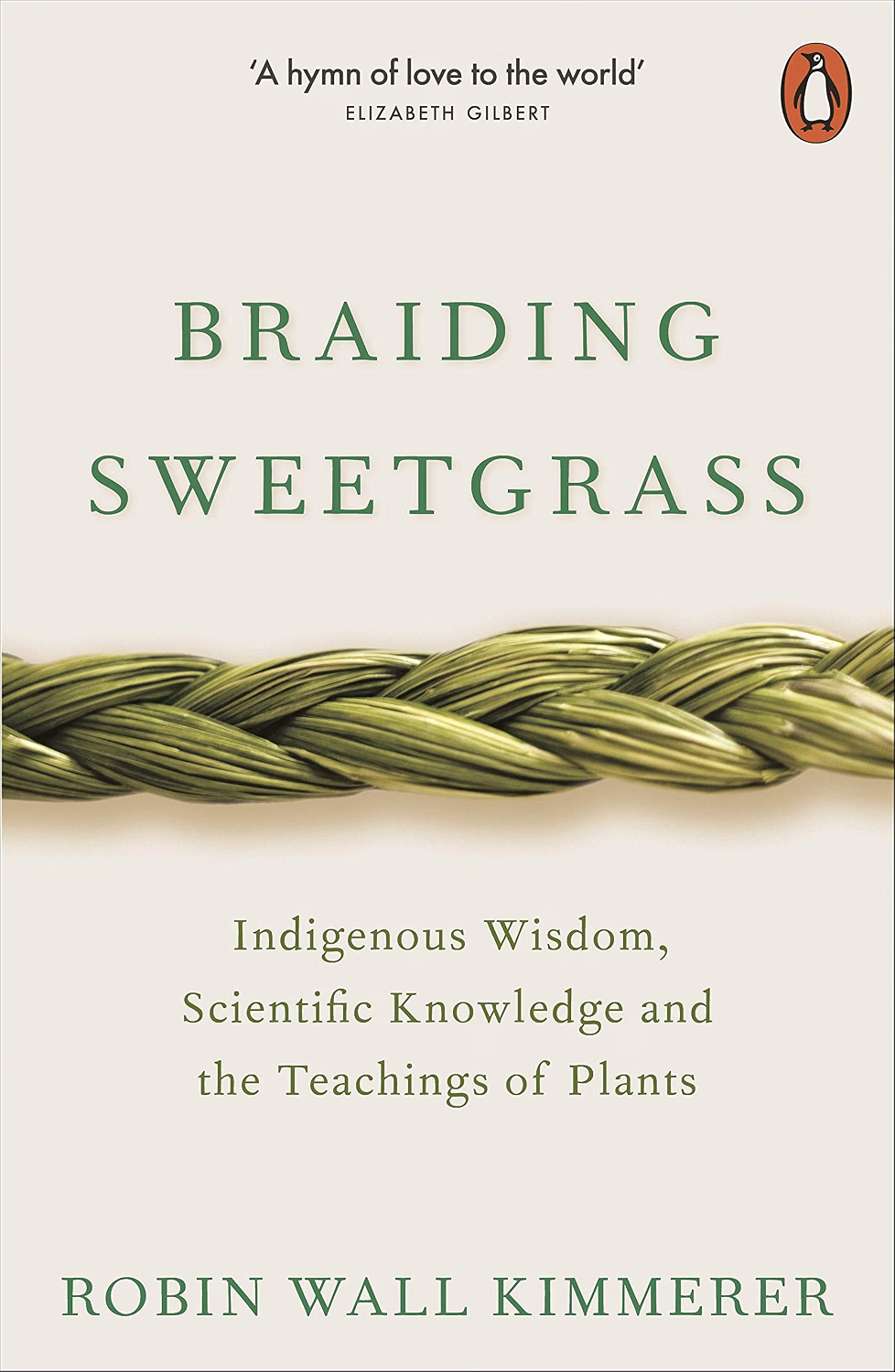
Braiding Sweetgrass: Indigenous Wisdom, Scientific Knowledge and the Teachings of Plants
Here’s a mental bubble in which I wouldn’t mind to live. The living world is the only superintelligence that will save us from ourselves.
This is the list. I hope you found at least one book that picked your interest. Go get yourself a meaningful Christmas present and let me know in the comments if you plan to read with me in 2027.
Read more about the future of life on Earth in my climate fiction novel.